
Exploring diverse cultural views on gambling practices around the world
Historical Perspectives on Gambling
Gambling has been a part of human culture for centuries, with roots tracing back to ancient civilizations. In ancient China, evidence of gambling activities can be found as early as 2300 BCE, where tiles used for games of chance were discovered. Similarly, ancient Romans engaged in gambling during their lavish festivities, often betting on gladiatorial contests. These historical perspectives demonstrate how gambling has been intertwined with cultural practices, serving as both entertainment and a means of social interaction. For those looking for alternatives, exploring non-gamstop casinos can provide options outside the conventional frameworks.
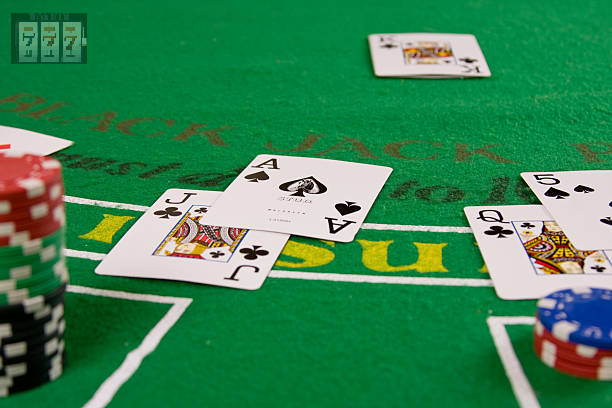
Over the years, different societies have shaped their gambling practices based on local customs, religious beliefs, and economic conditions. For instance, in many Indigenous cultures, gambling is often viewed as a communal activity that fosters bonds and traditions. This contrasts sharply with modern perspectives that may view gambling primarily as a means to generate profit. Thus, understanding these historical contexts is crucial for appreciating the diverse views on gambling that exist today.
Gambling and Religion
Religion plays a significant role in shaping cultural attitudes toward gambling. In various faiths, gambling is viewed through the lens of morality and ethics. For example, in Islam, gambling is strictly forbidden, as it is seen as a form of deception and an impediment to faith. This prohibition can influence the broader cultural stance on gambling in predominantly Muslim countries, leading to strict laws and regulations that govern gaming activities.
Conversely, in some Christian communities, gambling can be accepted in moderation as a form of entertainment. The contrast in religious teachings around gambling highlights the complexity of cultural views. In some regions, religious institutions actively participate in promoting legal gambling, arguing that it can contribute to community welfare through taxation and social programs.
Gambling in Asia
In Asia, gambling practices vary widely, reflecting the region’s rich tapestry of cultures and traditions. In countries like Macau and Singapore, gambling is a major part of the economy, drawing tourists and providing employment opportunities. These cities have embraced gambling as a form of entertainment, with luxury casinos and elaborate gaming resorts that cater to international visitors.
However, not all Asian countries share this enthusiasm. In places like Japan and Thailand, gambling is heavily regulated, and illegal gambling rings often operate under the radar. Traditional games such as Mahjong and Pachinko hold cultural significance, yet they must often navigate strict legal frameworks. This divergence in gambling acceptance underscores the importance of understanding local regulations and social attitudes in different Asian cultures.
Gambling in Western Societies
In Western societies, attitudes toward gambling have evolved significantly over the years. Initially viewed with skepticism, gambling has gradually gained acceptance as a mainstream form of entertainment. In the United States, for example, Las Vegas has become synonymous with gambling, showcasing a culture that embraces both casual play and high-stakes wagering.
Moreover, the rise of online gambling has transformed the landscape, offering unprecedented accessibility to games of chance. However, concerns about addiction and financial loss have led to calls for more robust regulations and responsible gambling initiatives. This ongoing dialogue reflects a broader societal struggle to balance individual freedom with the potential risks associated with gambling.

Exploring Alternatives to Traditional Gambling
As gambling practices evolve, alternatives have emerged, particularly in the realm of online gaming. Platforms that operate outside traditional regulatory frameworks offer players diverse options without the constraints of established systems. These alternatives cater to individuals seeking greater freedom in their gaming experiences, providing unique bonuses and game selections.
The emergence of these non-traditional platforms highlights the importance of player choice in the modern gambling landscape. As different cultures interact and influence one another, the shift toward diverse gambling options reflects changing attitudes and demands in the global market.